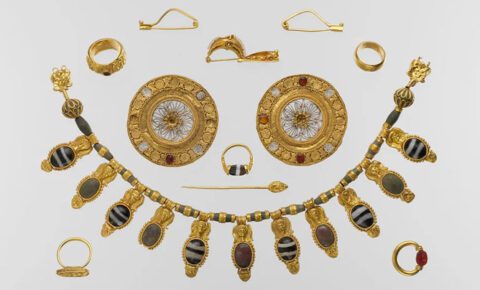




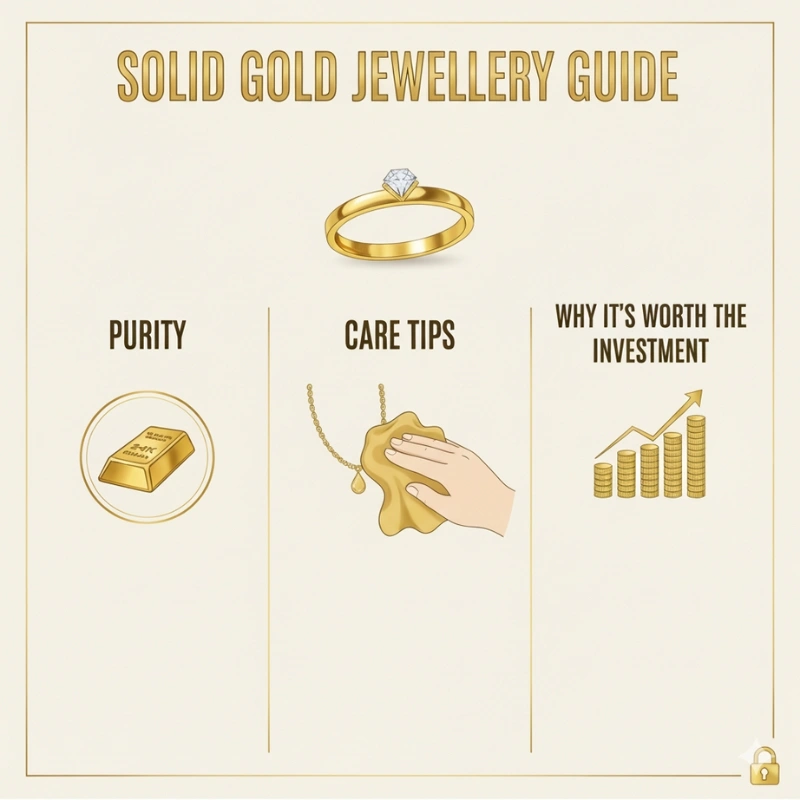
Solid gold jewellery is timeless, beautiful, and made to last a lifetime. Unlike gold-plated or filled pieces, it is pure gold through and through, keeping its shine and colour for years. This guide explains what solid gold jewellery is, how karats and colours differ, and why it is worth the investment.
You will also learn how water, chemicals, and daily wear affect gold and what makes it so durable. From caring tips to cleaning advice, we cover everything you need to keep your pieces bright and safe. Whether you are buying your first gold chain or maintaining family heirlooms, this guide will help you protect your jewellery for life.
What is Solid Gold Jewellery?
Solid gold jewellery is made from gold all the way through. It is not coated, filled, or mixed with a base metal on the outside. The colour stays the same because the metal is the same inside and out. This makes it strong, long-lasting, and safe for sensitive skin. Pure gold (24K) is very soft, so jewellers mix it with other metals like silver or copper to make it harder. 18K gold has 75% pure gold, while 14K has 58.3%. Solid gold keeps its shine and value for many years, unlike gold-plated pieces that wear off over time.
Types of Solid Gold Jewellery
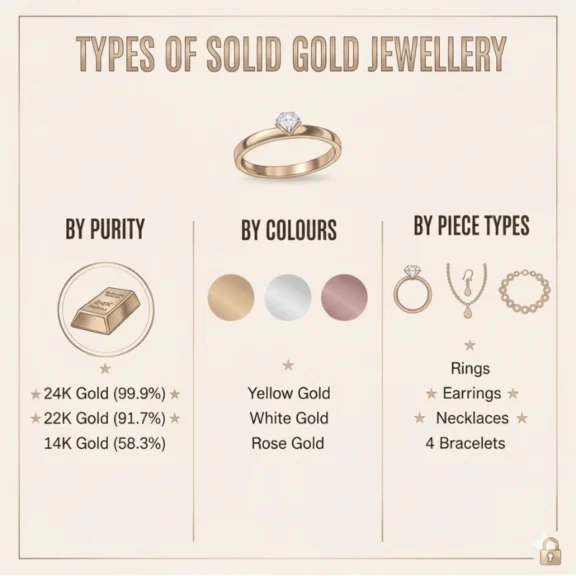
Solid gold jewellery is classified by karat purity, colour, and piece type. Each type is made from a durable gold alloy mixed with other metals to strengthen the metal while keeping its high value and resistance to tarnish. The most common categories include 24K, 22K, 18K, 14K, 10K, and 9K gold, alongside colour variations such as yellow, white, and rose gold, each offering a unique look and level of purity.
Solid Gold Purity (Karat)
- 24K Gold: 24K gold is 99.9% pure gold. It has a bright yellow tone and a soft texture, making it unsuitable for daily wear. This level of purity is mainly used for investment pieces or ceremonial jewellery.
- 22K Gold: 22K gold contains 91.7% pure gold and 8.3% metal alloys. It is slightly stronger than 24K and is often used for traditional or special-occasion jewellery.
- 18K Gold: 18K gold is made up of 75% pure gold and 25% other metals. It combines high purity with excellent durability, making it popular for fine and diamond jewellery.
- 14K Gold: 14K gold contains 58.3% pure gold and 41.7% alloys. It offers the best balance between value, durability, and appearance, making it ideal for everyday wear.
- 10K Gold: 10K gold has 41.7% pure gold. It is the hardest and most affordable solid gold option, though it has a paler colour due to lower gold content.
- 9K Gold: 9K gold must contain at least 37.5% pure gold to be legally recognised as gold in the UK. It is a strong, budget-friendly option that offers good wear resistance.
Solid Gold Colours
- Yellow Gold: Yellow gold is the classic gold colour. It is created by mixing pure gold with copper and silver. Higher karats produce a richer yellow tone due to higher gold content.
- White Gold: White gold is made by blending pure gold with white metals such as palladium or silver. It is often plated with rhodium to give a bright, reflective finish and added protection.
- Rose Gold: Rose gold has a pinkish hue due to a higher copper content in the alloy. It is durable and fashionable, offering a warm, modern look that complements many skin tones.
Solid Gold Piece Types
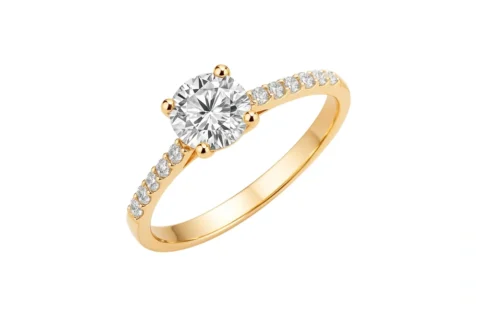
- Rings: Available as engagement rings, wedding bands, or fashion rings crafted for daily or luxury wear.
- Earrings: Includes styles such as studs, hoops, and dangles made to suit casual or formal looks.
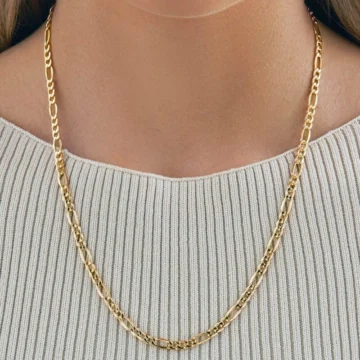
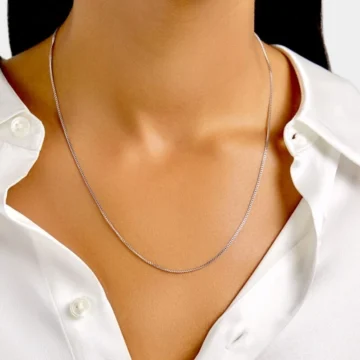
- Necklaces: Includes pendants, chains, and chokers that highlight the beauty and purity of solid gold.
- Bracelets: Includes bangles, cuffs, and charm bracelets designed for comfort and timeless appeal.
Is Solid Gold Jewellery Worth It?
Solid gold jewellery is worth it if you care about quality and lasting value. It keeps its shine, does not rust, and is safe for most skin types. The price is higher, but the quality lasts for life. You pay more once and enjoy it for many years.
Pros of Solid Gold
- Durability: Solid gold is strong and dense. It does not bend or dent easily. You can wear it every day without worry.
- Value Retention: Solid gold keeps its value. It is a real metal that often goes up in price. Plated jewellery loses worth when the coating fades.
- Tarnish Resistance: Pure gold never tarnishes. Even when mixed with small amounts of other metals, it stays bright. Solid gold keeps its shine for decades with simple cleaning.
- Hypoallergenic Properties: Pure gold is gentle on the skin. It rarely causes rashes or irritation. Lower karat gold has more mixed metals, but 18k and higher are safe for most people.
- Heirloom Quality: Solid gold lasts for generations. It can be polished and repaired to look new again. Families often pass it down as a special keepsake.
- Sustainability: Gold can be reused many times without losing quality. This makes it an eco-friendly choice for fine jewellery.
Cons of Solid Gold
- Higher Cost: Solid gold costs more than plated or filled jewellery. The price comes from its real gold content and long-lasting value.
- Softer Than Alloys: Gold is soft by nature. It may scratch if rubbed against hard surfaces. Still, it stays solid and can be polished back to smoothness.
- Weight: Thick solid gold items are heavier. Some people find them less comfortable for daily use.
- Market Fluctuations: The value of gold can change with the market. It usually stays high, but short drops are possible.
Who Should Consider Solid Gold Jewellery?
Solid gold is ideal for individuals who value long-term quality over fleeting trends. It works best for:
- Investment and Longevity: If you want jewellery that lasts a lifetime, solid gold is the right choice. It maintains its beauty and retains value over time.
- Everyday Wearers: People who wear jewellery daily—such as wedding bands, earrings, or bracelets—benefit from solid gold’s durability and stable colour.
- Sensitive Skin Users: Those prone to metal allergies should choose solid gold, as it is non-reactive and gentle on the skin.
- Investors and Collectors: Solid gold appeals to buyers who seek both aesthetic appeal and financial value, thanks to its market-backed worth.
- Heirloom Seekers: Pieces made of solid gold serve as timeless keepsakes that can be passed down through generations without losing integrity.
For fashion lovers who frequently change styles, gold-plated or gold-filled jewellery offers a cost-effective alternative. These options provide the look of gold without the higher financial commitment, though they do not last as long.
Can You Get Gold Jewellery Wet?
Yes, you can get gold jewellery wet, but it depends on the type of gold. Solid gold is safe in water and perfect for daily wear. Gold-plated, gold-filled, and vermeil jewellery can fade, tarnish, or corrode when they get wet. Knowing how water affects each type helps you keep your jewellery shiny and strong.
Water Safety Based on Gold Type
Solid gold can get wet without problems. It does not rust or corrode. Gold-plated, gold-filled, and some vermeil pieces should stay dry. Water can make their gold layer fade or wear away. Even solid gold needs drying after water contact to stop soap or minerals from leaving dull marks.
Solid Gold
High-karat gold, such as 22K or 18K, resists water well because it has more pure gold. Water will not harm gold itself. The small amount of metal alloy in 9K or 10K gold can react to water and chemicals over time. Solid gold is still the strongest and most reliable choice for wet use. It suits daily wear, even in showers or when washing hands.
Gold-Filled, Gold-Plated, and Gold Vermeil
- Gold-Filled: Gold-filled jewellery is stronger than gold-plated. Still, long exposure to water can make it dull or tarnished. It is water-resistant, not waterproof. Keep it away from hot tubs or chlorinated water to protect its finish.
- Gold-Plated: Gold-plated jewellery should stay dry. The gold layer is thin and can wear off fast when wet. Water and soap can expose the base metal and cause corrosion or colour change. Dry storage keeps it bright for longer.
- Gold Vermeil: Gold vermeil has a thick gold layer over sterling silver. It can handle a little water if the gold is 18K or higher. Yet, long or repeated contact can cause the silver beneath to tarnish. Remove it before swimming or bathing to keep it looking new.
Does Different Water Affect Gold?
Yes, different types of water affect gold in different ways. Minerals, salt, and chemicals change how the metal reacts. Knowing what each water type does helps protect your gold from dullness or corrosion.
Tap Water (Showering)
- Solid Gold: Normal tap water will not harm solid gold. Hard water with minerals can leave a film that makes gold lose shine. Cleaning it often keeps the surface bright.
- Other Types: Gold-plated, gold-filled, and vermeil pieces can get damaged. Soap, shampoo, and minerals wear away the thin gold layer, showing the metal underneath.
Saltwater (Ocean)
- Solid Gold: Solid gold with higher purity, such as 18K or 22K, resists saltwater very well. Lower-karat pieces with more alloys may react slightly, but short exposure rarely causes harm.
- Other Types: Saltwater is harsh on gold-plated, gold-filled, and vermeil jewellery. The salt acts like sandpaper, wearing off the gold layer and exposing the base metal. Always remove these before swimming in the sea.
Chlorinated Water (Pools and Hot Tubs)
- Solid Gold: Chlorine in pools can damage gold alloys. It may cause tarnish, discolouration, or even make the metal weak. Hot tubs are worse, as heat speeds up this reaction.
- Other Types: Chlorine destroys gold-plated, gold-filled, and vermeil jewellery fast. The gold layer breaks down, and the metal underneath corrodes. Avoid wearing them in any chlorinated water.
Mineral Water (Hot Springs/Onsen)
- Solid Gold: Solid gold is tougher than plated jewellery, but minerals in hot springs can still cause damage. Lower-karat pieces like 9K or 10K contain more alloys and may darken or corrode over time.
- Gold-Plated: Gold-plated jewellery should never touch mineral water. The mix of heat and minerals breaks down the thin gold layer. The base metal will corrode, and the plating may peel off permanently.
Does Solid Gold Fade or Tarnish Over Time?
No, solid gold does not fade or tarnish. It is a noble metal that stays stable in air and moisture. Its colour comes from the gold itself, not from a thin-plated layer. This makes it different from gold-plated or gold-filled jewellery, which can lose colour as the surface coating wears off. Lower-carat pieces like 14K or 18K gold may look a bit dull after long wear. This happens because they contain other metals, not because the gold fades.
Why Solid Gold Doesn’t Fade
- Constant Colour: The colour of solid gold stays the same. The metals are melted together, not coated on top, so the tone never wears away.
- Chemically Unreactive: Gold does not react with air or water. Pure 24K gold has a stable structure that blocks oxidation. That is why it does not rust or tarnish like other metals.
- Resistance to Corrosion: Gold is not affected by most chemicals. Its strong, non-reactive nature keeps it shiny even in damp or rough conditions.
- Noble Metal: Gold is one of the few noble metals. It keeps its shine for hundreds of years. Ancient gold artefacts still look bright today because gold does not decay.
When Solid Gold Jewellery Can Change
- Alloys: Gold mixed with other metals, such as copper or nickel, can dull slightly. These extra metals react to air or moisture and affect surface shine, but the gold itself stays the same.
- Chemical Exposure: Harsh chemicals like bleach or chlorine can damage alloys in gold. Pool water or cleaning products may cause small marks or stress cracks, mainly in lower-carat gold.
- Skin Chemistry: Natural oils or skin acidity can affect gold’s surface. Changes from diet, medicine, or hormones may make jewellery look less bright.
- Environmental Factors: Moist air, salt, and pollution can dull alloy metals in gold. This is more common in coastal or humid areas.
- Surface Buildup: Perfume, lotion, and sunscreen can leave a thin layer on gold. This film blocks light and makes jewellery look dull. A gentle clean brings back the shine.
- Metallic Abrasion: Some makeup and powders have tiny hard particles. These can rub off small gold bits onto your skin. It looks like fading, but it is only surface contact, not real wear.
How to Protect and Care for Your Solid Gold Jewellery
Proper care keeps solid gold jewellery shiny and clean for many years. Gold does not rust or tarnish, but daily use, water, and residue can make it look dull. Regular care helps your pieces stay bright and damage-free.
- Remove Before Water Exposure: Take off your jewellery before showering, swimming, or using a hot tub. Water, especially with chlorine or salt, can weaken clasps and make the surface lose its shine.
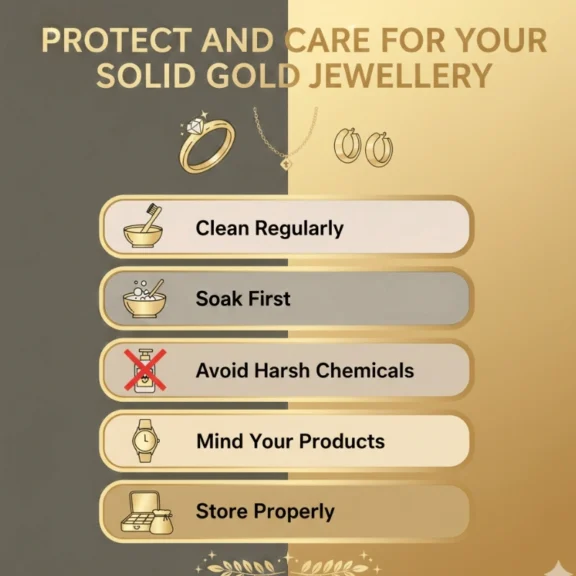
- Clean Regularly: Wash your gold jewellery in warm water using mild, phosphate-free soap. Use a soft brush to remove dirt and oil. This keeps it bright and clean after each wear.
- Soak First: For a deeper clean, soak the jewellery in warm, soapy water for 15–20 minutes. This loosens buildup from tight spots like chain links or stone edges.
- Avoid Harsh Chemicals: Keep gold away from bleach, chlorine, or other cleaning products. These can react with alloy metals in gold and cause dullness or small cracks.
- Handle with Care: Avoid activities that might scratch your jewellery. Remove rings before using lotions or sunscreens to stop residue from covering the surface.
- Clean and Dry Immediately: If jewellery gets wet, rinse it with fresh water and dry it with a soft cloth. Make sure to dry small areas, such as chain links or under stones, to stop moisture from staying trapped.
- Mind Your Products: Perfume, soap, and cosmetics can leave a thin film on gold. Wait until your skin is dry and products are absorbed before putting on jewellery.
- Consider the Source: Be careful with pieces sold as “waterproof.” These are often stainless steel with a gold coating (PVD), not real solid gold. Solid gold does not need an extra coating to stay shiny.
- Store Properly: Keep jewellery in a cool, dry place. Store each piece in a soft pouch or lined box to stop scratches. Separate items to prevent tangling or rubbing.
- Put Jewellery On Last: Wear your gold jewellery last when getting ready. Apply perfumes, lotions, and makeup first. This protects the metal and helps it stay bright.
Last Thoughts
Solid gold jewellery is more than just a fashion choice — it’s a lasting treasure. Its shine, strength, and timeless beauty make it worth every penny. With the right care, your pieces will stay bright and beautiful for life. Whether you’re starting your collection or adding to it, choose solid gold for quality that never fades. Explore trusted jewellers near you and find pieces that shine as long as your memories.
Frequently Asked Questions (FAQs)
Q: What is the difference between solid gold and gold-plated jewellery?
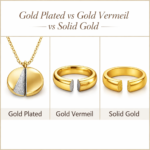
A: Solid gold jewellery is made entirely of gold throughout, while gold-plated jewellery has only a thin layer of gold applied over a base metal such as brass or silver. Solid gold doesn’t fade or wear off over time, but gold-plated pieces can lose their colour as the coating wears away.
Q: Is 14K gold considered "solid gold"?
A: Yes, 14K gold is solid gold. It contains 58.3% pure gold mixed with other metals like copper or silver for strength. Although it’s not pure 24K gold, it’s still classified as solid because the gold runs through the entire piece, not just on the surface.
Q: What is the best way to clean solid gold jewellery at home?
A: Mix warm water with mild, phosphate-free soap and soak the jewellery for 15–20 minutes. Use a soft brush to remove any dirt or residue, then rinse and dry with a soft cloth. Avoid bleach, chlorine, or harsh chemicals, as these can dull the metal.
Q: Is it safe to get a new piercing with solid gold jewellery?
A: Yes, solid gold is safe for new piercings, especially 14K or 18K gold. It’s hypoallergenic, non-reactive, and gentle on sensitive skin. Avoid gold-plated jewellery for new piercings since the coating can wear off and expose the base metal, which may cause irritation or infection.